SPARO: Sparse Photo to Radiance Object Reconstruction
Python
PyTorch
DL
NeRF
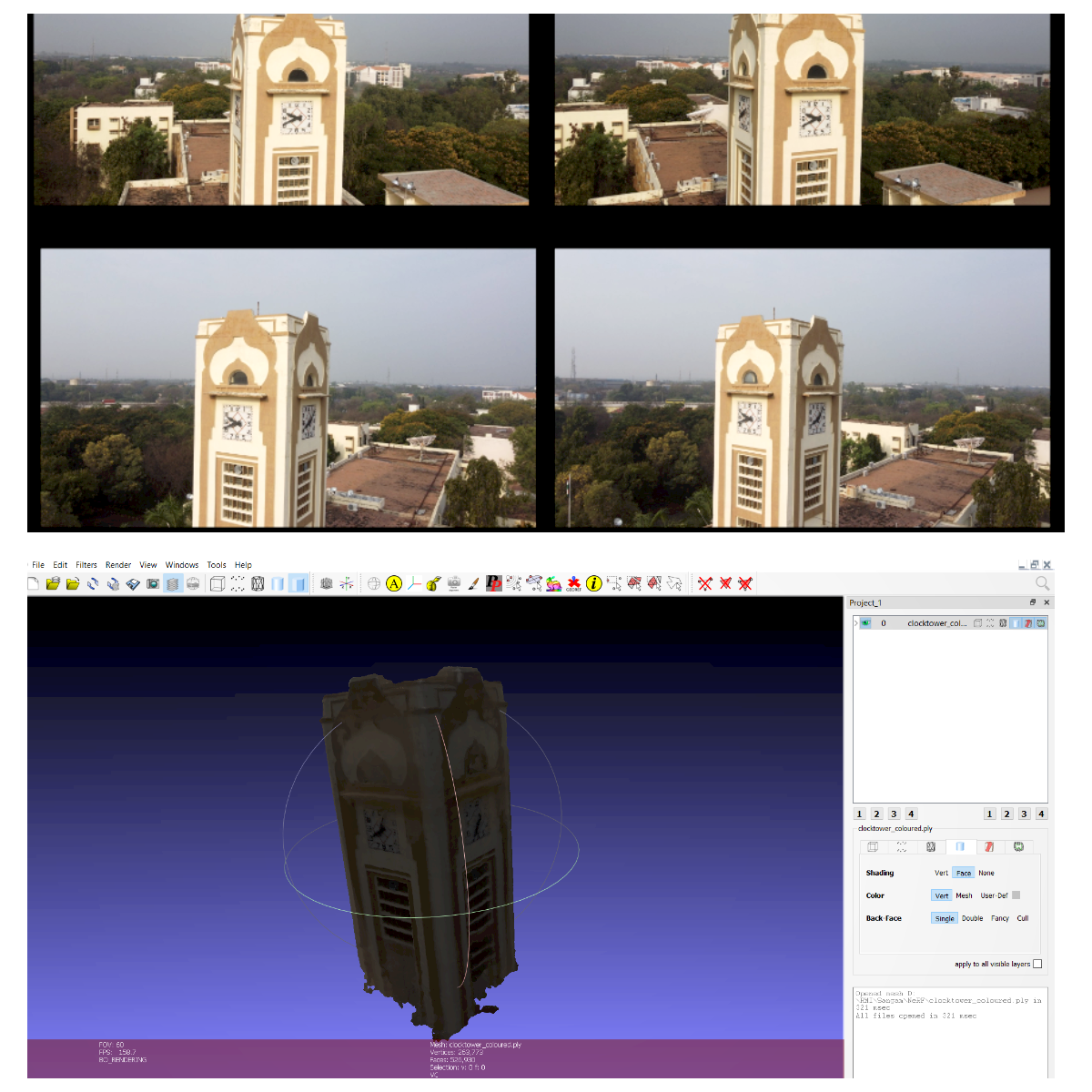
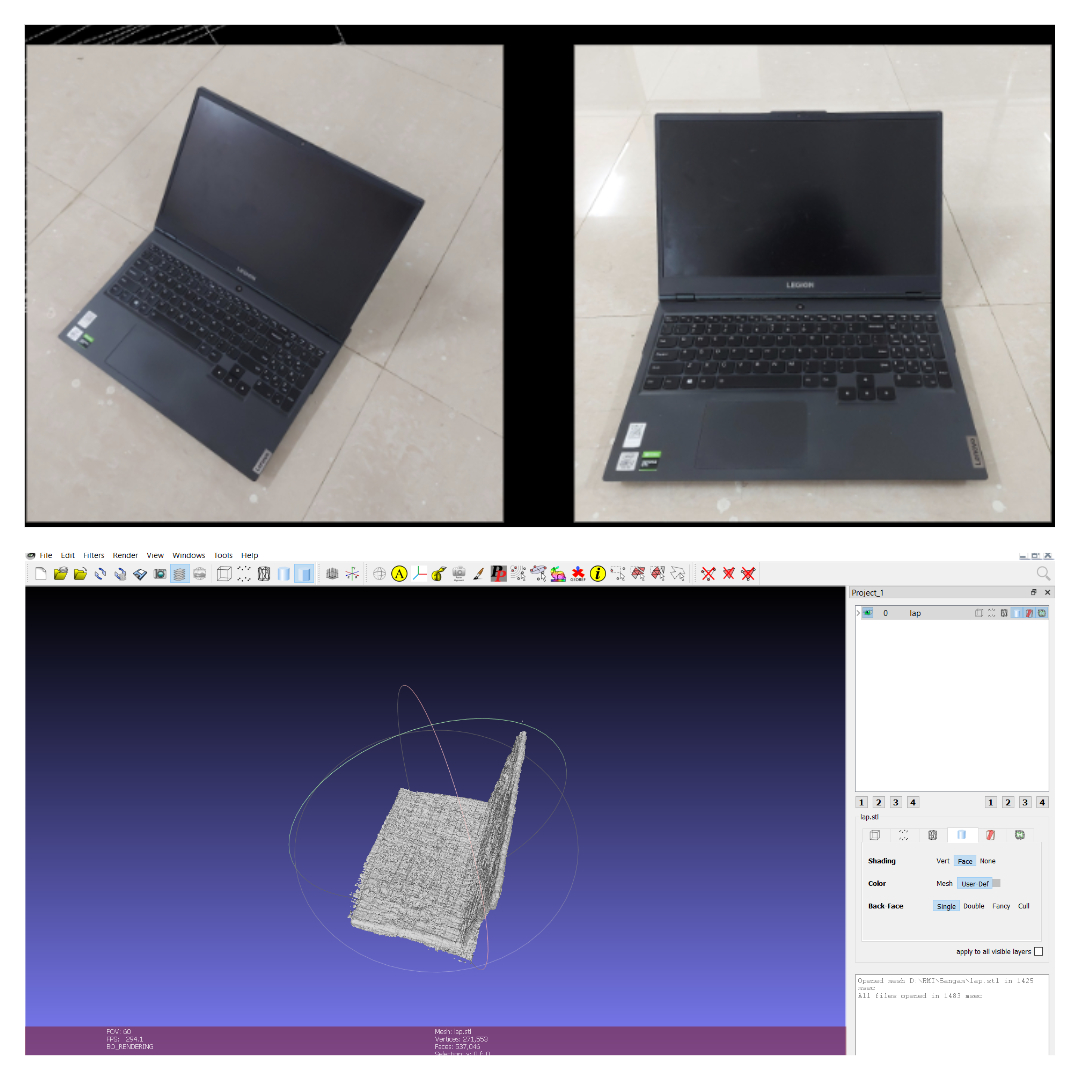
SPARO transforms a minimal set of user-provided images into editable 3D models by coupling Structure-from-Motion pose estimation with Neural Radiance Fields for photorealistic rendering.
Objective
Mentored the creation of a lightweight 3D reconstruction pipeline that lowers the barrier to NeRF adoption, enabling end users to convert casual captures into high-quality digital assets ready for simulation or AR use.
Technology Stack
- Structure-from-Motion computes relative camera poses from sparse image inputs.
- Neural Radiance Fields implemented in TensorFlow and PyTorch generate volumetric renderings.
- Rendering equation integration converts density outputs into RGB images for arbitrary viewpoints.
- GPU-accelerated training workflows speed up iterative reconstruction tuning.
Key Features
- Accepts a minimal image set, reducing capture overhead for casual users.
- Produces editable 3D volumes that can be imported into digital content pipelines.
- Targets use cases in scene re-creation, simulation, and perception for autonomous systems.
- Maintains fidelity across sparse viewpoints via pose-aware radiance conditioning.
Impact
SPARO illustrates how advances in NeRF research can be distilled into accessible tooling, accelerating 3D asset creation for applications ranging from robotics simulation to immersive media production.